In architecture and interior design, few elements can anchor a space in time while also making it timeless. In India, this role is commonly embodied in a single exquisite detail beneath our feet: the handmade designer tile.
For over a century, these colourful cement canvases have shared stories of colonial legacy, industrial ambition, and artistic revival. At the core of this history, marking 100 years of existence, is Bharat Floorings & Tiles Pvt. Ltd., a name deeply connected to the history of Indian flooring.
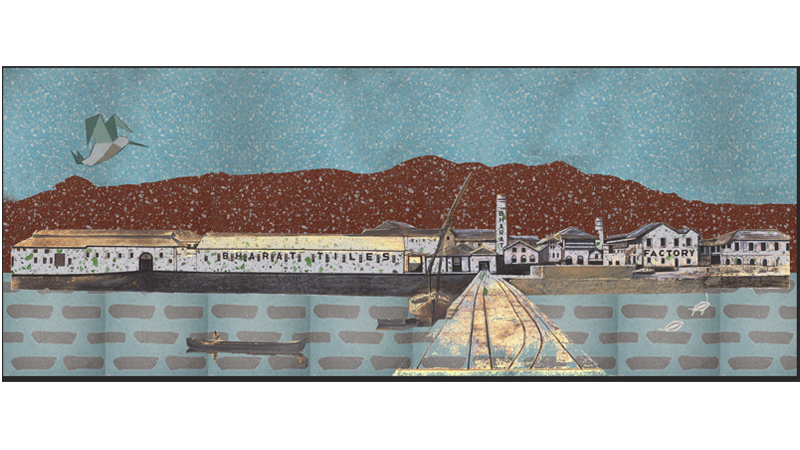
The story of Bharat Floorings is far more than a corporate tale. It weaves and intertwines threads from the Swadeshi movement, the discovery of abandoned brass stencils, and a strong love for preserving India’s design heritage. Walking on a Bharat tile is like stepping onto a piece of Indian history.
The Genesis: A Swadeshi Dream
The year is 1922. India is alive with the spirit of independence, and Mahatma Gandhi’s Swadeshi movement drives a desire for local enterprise. In this charged environment, a young lawyer named Pherozeshah Sidhwa made a fearless choice. He left his articleship to partner with his nephew, Rustom Sidhwa, to start a tile manufacturing unit in Uran, a fishing village near Mumbai. Their motto was bold and clear: "Equal to the World’s Best."
At that time, the elite of India—royal families from Gwalior, Bikaner, and Hyderabad, along with emerging industrialists like the Birlas and Mafatlals—had imported European tiles to adorn their floors. Sidhwa wanted to challenge this control. He tried to create a product that matched the quality of these imports but was proudly made in India. In a patriotic move, the company stamped every tile with a map of undivided India, a quiet symbol of nationalism ingrained in the core foundations of homes and institutions.
The magic of these tiles came from human hands and detailed brass stencils, not automated machinery. The traditional process was (and still is) a labour of love. Skilled artisans would place a hand-cut brass stencil—a remarkable piece of engineering—onto a glass plate. Brightly coloured cement oxides were carefully poured into the stencil’s patterns, ensuring that bright reds, greens, and ochres remained within their geometric or floral confines. Once the design was complete, a base layer of cement and mortar was added, and the tile was left to cure in water tanks before drying in the shade. This handmade process meant that no two tiles were exactly alike, giving each floor a unique, organic charm.
However, by the 1940s, styles had changed. The detailed, floral, and patterned encaustic tiles of the heritage collection were set aside for the simpler, chip-based terrazzo tiles, which defined the mid-century modern look. The brass stencils and original catalogues were tucked away in overlooked corners of the factory, and the awareness of their existence faded.
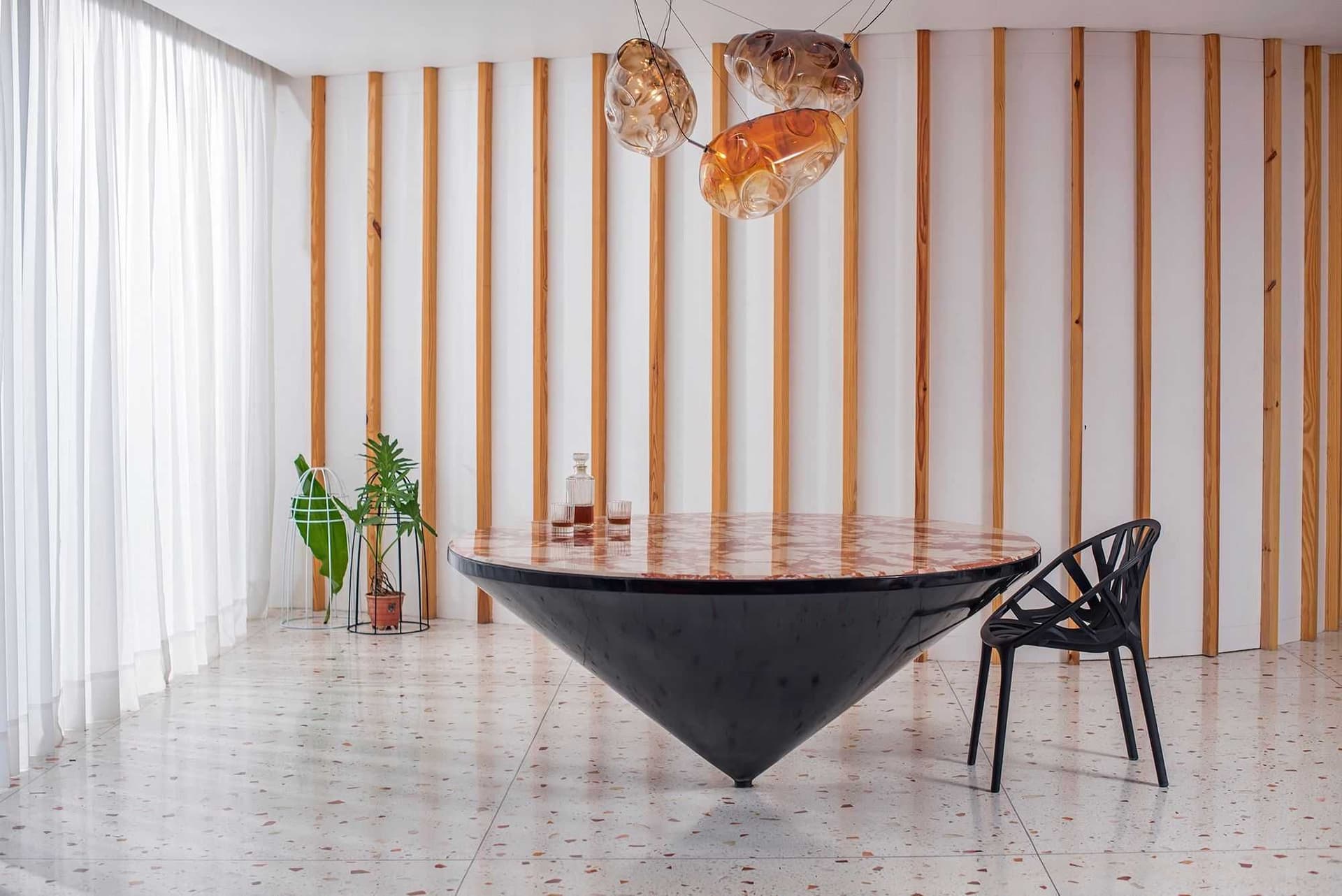
For decades, Bharat Floorings kept innovating, creating heavy-duty products like "Stilan" for public projects seen at Mumbai’s CST Station and Flora Fountain and supplying tiles for modern high-rises like the Air India Building. But the heart of the company—its historic roots—lay dormant.
As the 21st century approached, an important moment occurred. While going through the archives, the Bharat Floorings team found a hidden gem: the genuine brass stencils and catalogues from the 1920s and 1930s. This discovery changed the brand’s direction. In 1999, at the first Kala Ghoda Arts Festival in Mumbai, Bharat Floorings relaunched its "Heritage Range." The reaction was overwhelming.
Preservation authorities, such as the architect and designer Vikas Dilawari, have been quick to recognise the importance of these patterns in restoring outdated heritage buildings throughout Mumbai. The reinstallation of these tiles in their original homes (such as the Bhau Daji Lad Museum) will help stimulate a number of projects aimed at restoring these types of structures. Discovering the stencils has not only helped the preservation industry but has also assisted in reclaiming a lost design language.
A Space for Contemporary India
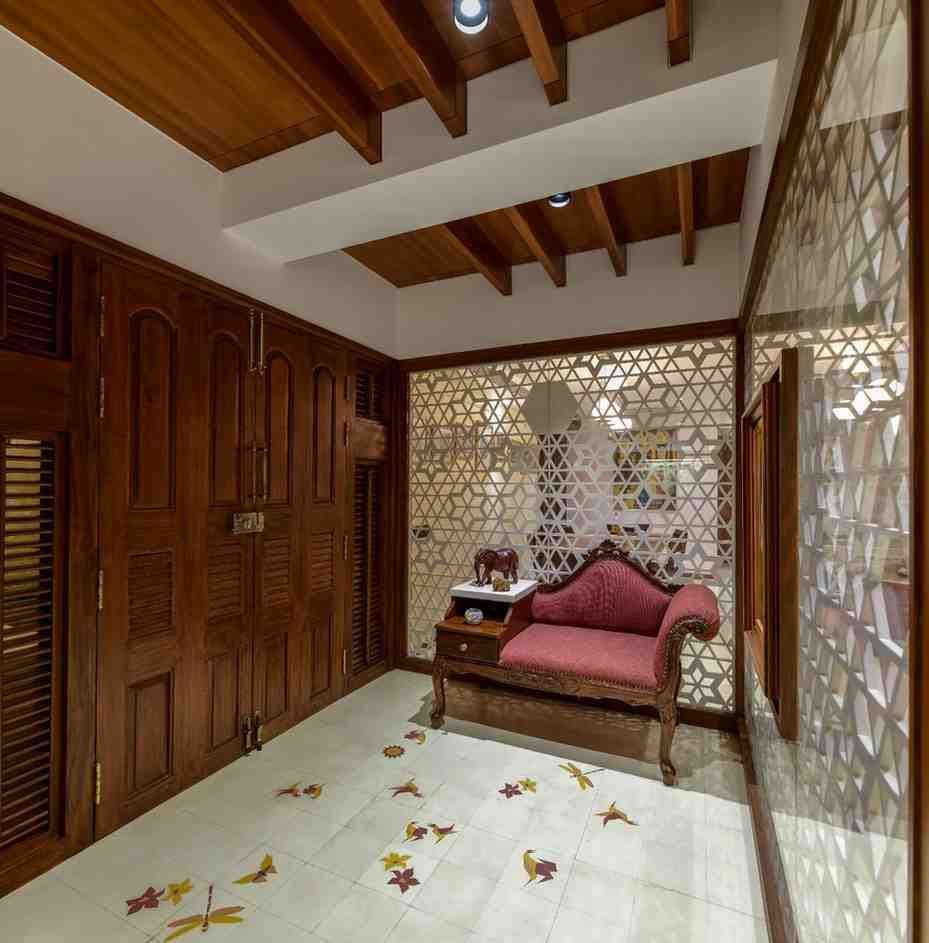
The revival of the Heritage Range matched a wider cultural shift—a renewal of antique aesthetics in India’s urban areas. Suddenly, the imperfect, handmade, and historically rich appearance of Bharat Tiles became the trend in hospitality and upscale residential design.
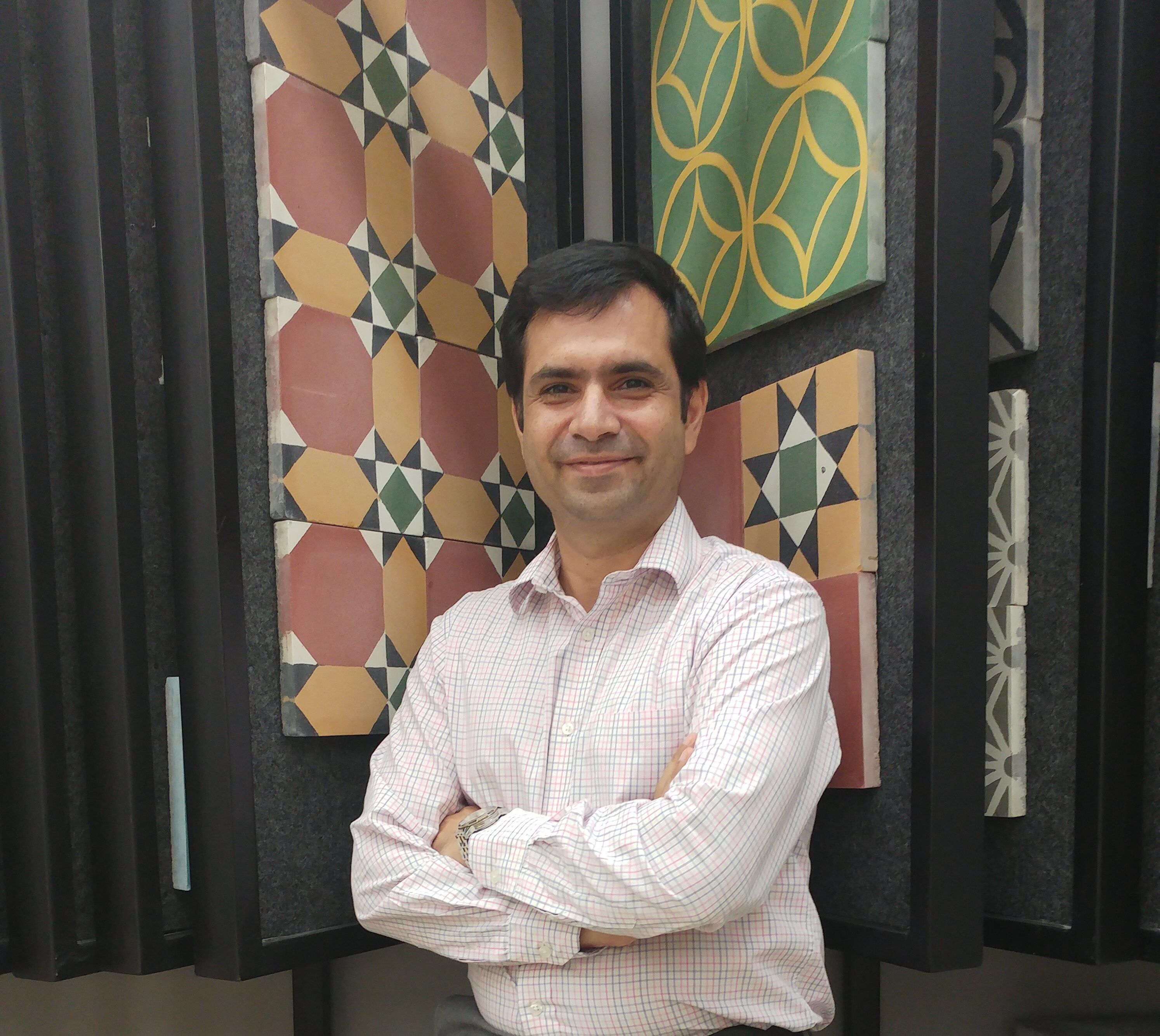
The tiles became a defining feature of famous eateries, such as Pali Village Cafe in Mumbai, which aimed to recreate the old-world charm of 1930s Bombay. They adorned the homes of celebrities like Kangana Ranaut and Alia Bhatt, as well as Jamie Oliver’s restaurants. By working with contemporary designers—from Sian Pascale to The Busride Design Studio—Bharat Floorings demonstrated that its century-old craft was still a vibrant medium for modern expression.
Walking into the Next Century
The centenary milestone brought ultimate recognition. In 2023, Bharat Floorings & Tiles was selected to decorate the floors of the new Parliament House in New Delhi. For a company rooted in the Swadeshi movement, this placement in the heart of Indian democracy seemed like a poetic conclusion. Covering 15,000 square feet, the custom-made "Banyan" tiles—enlarged to 40x40 cm to reduce joints—symbolise the nation’s roots.
Today, when you look at a handmade designer tile from Bharat Floorings, you see layers of Indian history. You notice the colonial past in its Victorian designs, the nationalist spirit in its "Made in India" origins, the Art Deco glamour of 1930s Bombay, and the diverse tastes of 21st-century India. You see artisans carefully pouring pigment into a brass stencil that might be a century old.
Bharat Floorings & Tiles has been around for over 100 years, proving that handmade tile is more than something to sell; it is an artwork full of historical narratives and offers hope for the future. As the company enters its next century, it brings with it dust from historic palaces, the polish of modern cafes and the humble elegance that represents the foundation of a country.
Comments
Post a Comment